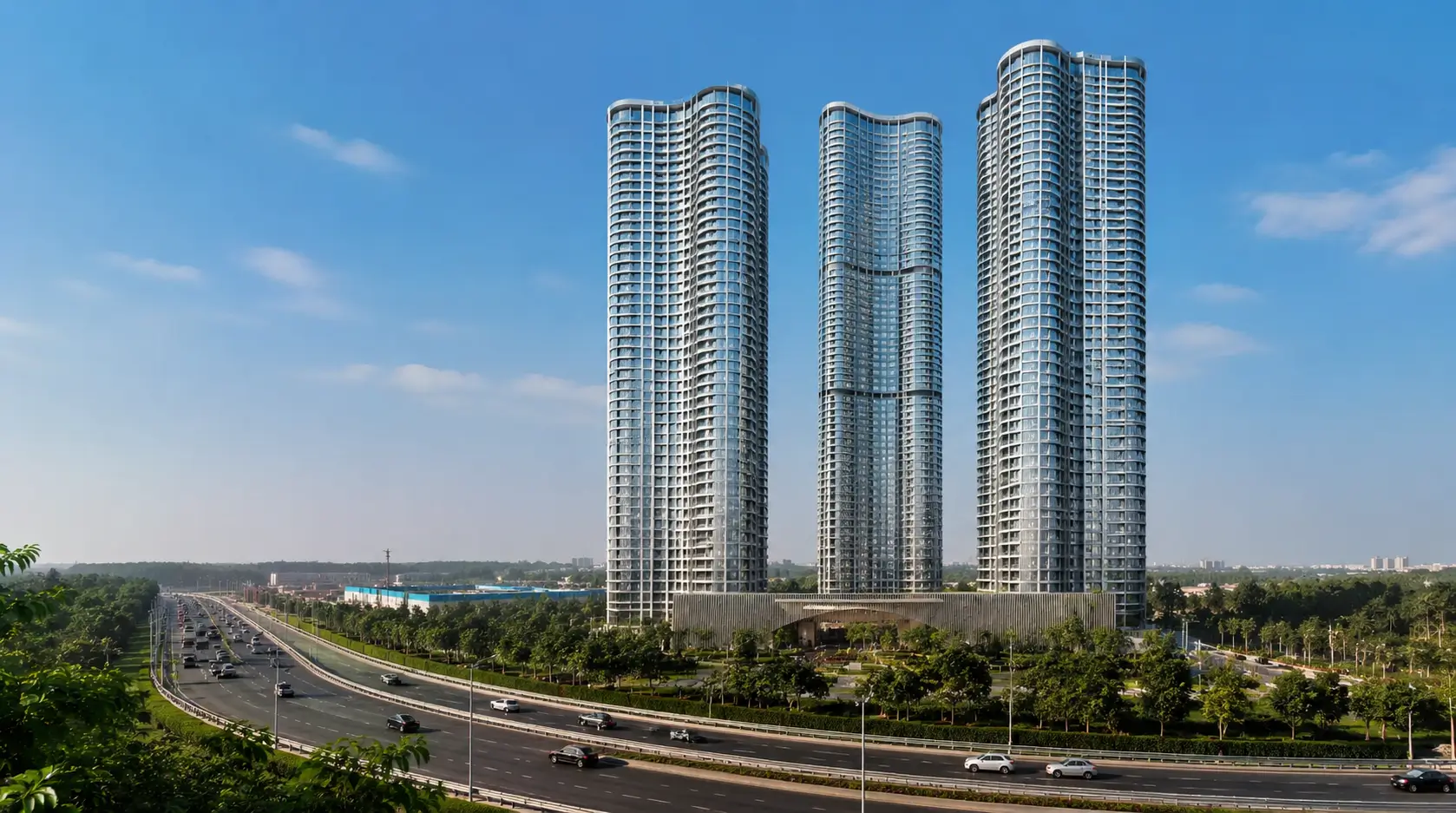
Investigating current high-end residential real estate spaces shows a major market movement toward self-sustained community spaces. Within highly competitive real estate growth micro-markets, aligning with Tier-1 builders who offer complete statutory compliance and integrated amenities forms the basis of calculated real estate investing. #link# provides an excellent example of how master-planned structural communities outperform standalone residential formats. To systematically analyze modern high-density vs low-density layouts, one must examine macro regional developments, localized structural blueprints, and underlying financial projections with extreme detail.
The Macro Economic Forces Reshaping Regional Real Estate
The systematic layout of high-capacity rapid transit rail corridors, acts as the ultimate catalyst for localized land valuation acceleration. Modern suburban growth matrices consistently reveal that commercial infrastructure investments creates an immediate demand pipeline for luxury apartments featuring superior specifications. Whenever a Tier-1 residential development aligns itself with upcoming metro rail expansion lines and peripheral ring roads, high-salaried working professionals naturally choose to locate their primary residences within that specific geographic boundary. Moreover, the continuous improvement of localized social infrastructure, premium entertainment malls, and retail avenues fuels an active purchasing cycle for premium 3 BHK, 3.5 BHK, and 4 BHK luxury residences. Investors tracking these specific geographic variables can systematically eliminate location-based investment risks.
Advanced Engineering Standards and Monolithic Construction Technologies
The long-term maintenance overhead of contemporary residential towers depends heavily on transitioning away from conventional brick masonry toward advanced structural casting. The deployment of advanced aluminum formwork casting systems, extensively known across the industry as Mivan technology, dramatically accelerates structural delivery timelines while ensuring uniform structural load distribution across all floors. When an elite real estate development prioritizes high-end architectural choices, the interior spaces are designed with optimal acoustic management, natural daylight maximization, and highly efficient zero-waste layout floor plans. Concurrently, premium residential buyers are rejecting crowded, high-density residential layouts in favor of expansive estates. When a grand 70 to 80-acre development restricts its here vertical footprint to only a limited number of residential towers, the developer creates a rare, elite living environment that preserves long-term community exclusivity. Those analyzing these technical details are strongly encouraged to evaluate layout plans thoroughly.
Decoding Pre-Launch Capital Entry Tactics and Property Valuation Models
From a strictly analytical wealth management and portfolio diversification perspective, residential holdings backed by strong corporate execution credentials outperform alternative commercial assets. Acquiring luxury property units during the strategic pre-launch window provides an immediate equity upside the moment the developer transitions into subsequent public marketing rounds. Driven by the continuous arrival of high-earning corporate leadership professionals, local rental markets displays strong upward momentum, driven by a structural shortage of authentic premium community options. Despite these exceptional returns, investors must strictly prioritize legal transparency and verification protocols. Validating the builder's historical track record regarding timely project delivery, structural execution precision, and legal transparency ensures that the property asset remains entirely free from future litigation risks or ownership contestations.
The Modern Blueprint for Eco-Sustainable Communities and Wellness Facilities
The baseline requirements for elite residential assets have fundamentally expanded into the surrounding community space. The seamless integration of state-of-the-art smart-home technology, allows residents to effortlessly manage spatial lighting, interior climate settings, and visitor tracking protocols. To support a balanced life, premium developments are constructing multi-tier recreational environments. Integrating advanced co-working business lounges, private mini-theaters, and multi-cuisine restaurant facilities, these integrated structures ensure that health and recreational goals can be fulfilled without stepping outside the estate. Furthermore, having immediate access to premium on-campus medical checkup facilities and boutique retail zones redefines personal convenience, making everyday life feel completely organized and carefully taken care of.
Summary of Indispensable Benchmarks for Premium Real Estate Portfolios
In summary, capitalizing on high-tier residential developments demands meticulous alignment across multiple critical dimensions: undivided land share protections, long-term rental yield capacity, and localized employment trends. Capital allocators who aggressively target early-stage entry pricing within low-density integrated townships can confidently secure premier inventory that serves as a robust multi-generational wealth asset. Supported by structural economic expansions and the continuous growth of specialized technology parks, property holdings situated within well-connected residential hubs are guaranteed to dominate the regional real estate market.